I love to think, in an ideal world, that open source is the answer for a lot of things, but in reality there is a lot of great software out there whose authors are not fine with open-sourcing their code. And it is understandable. As a software developer, sometimes I prefer to keep the source code to myself, for several reasons. Maybe nowadays we are entering an era where machine code will be easily reversed, but that’s a huge topic for another post.
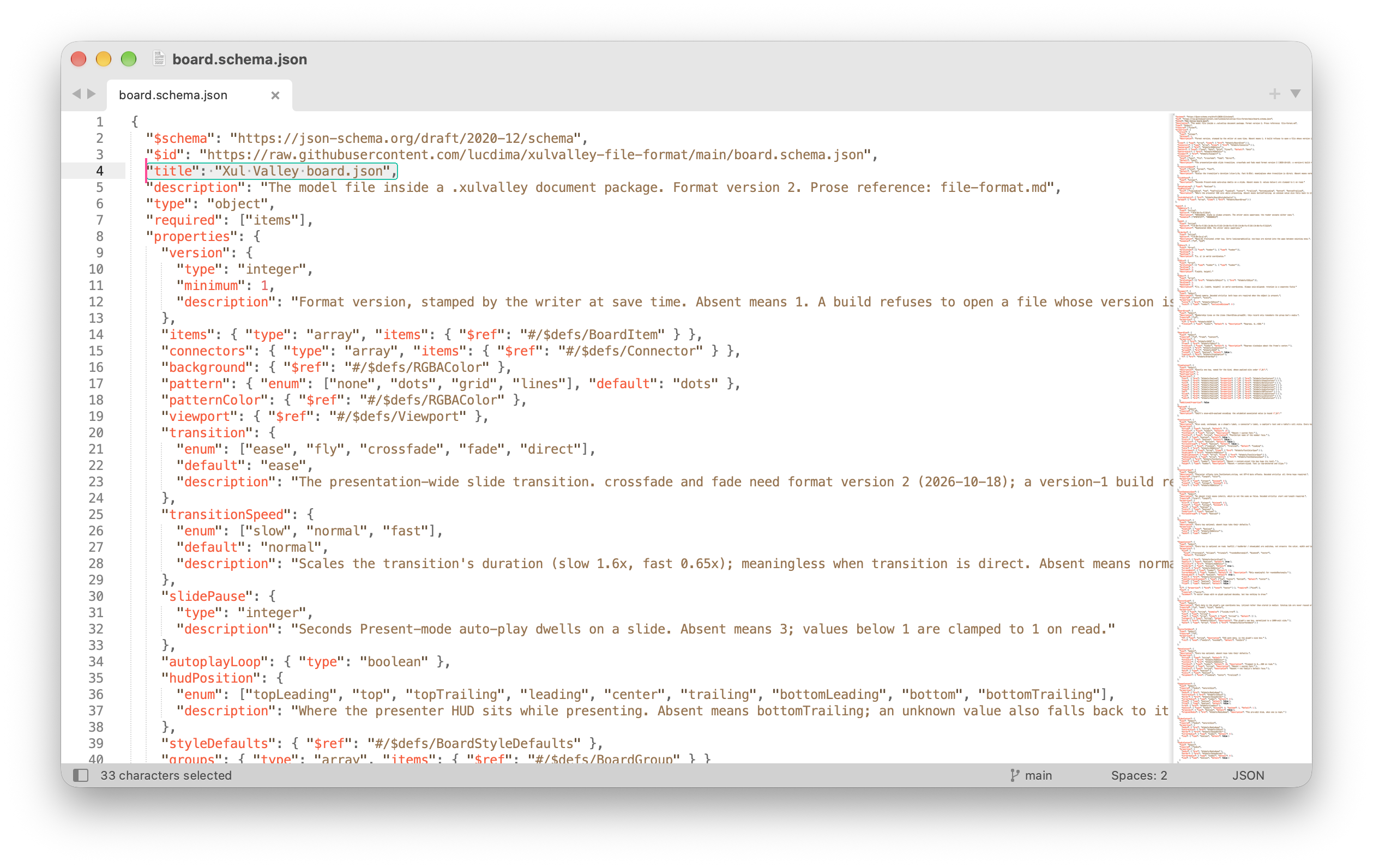
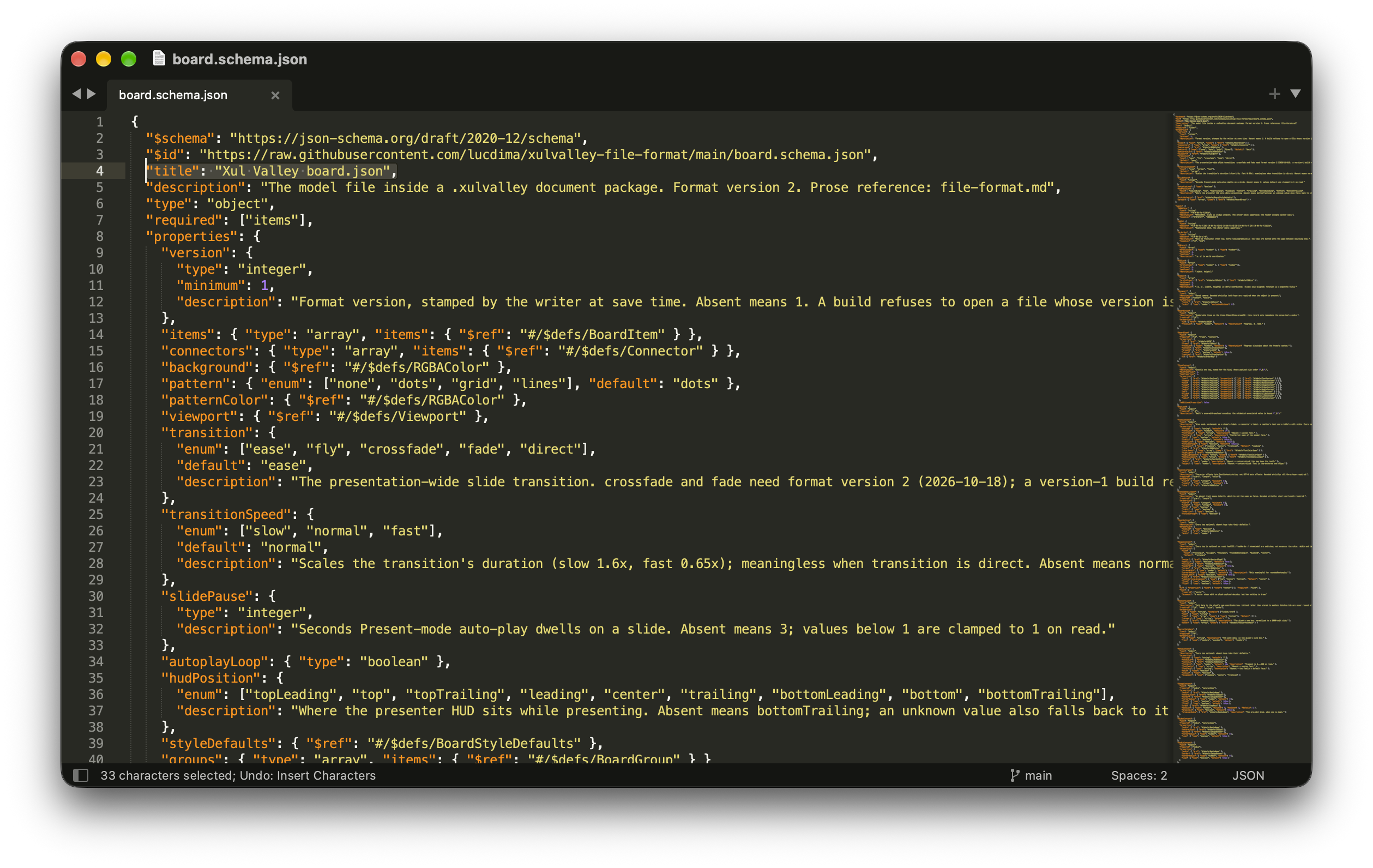
But there is something we software developers can do to benefit the user, avoid vendor lock-in, and build ethical software without opening the source code. We can open-source the file format that our apps are using, and create a standard, a schema, or whatever name you like to call it. There are many advantages to this, which I will enumerate:
-
Users are free to get their files, open them, and build a tool to transform them into something else. I think the files that the user creates with apps belong to the user. So, if the files belong to the users, then, in my opinion, we should give them this freedom.
-
Avoid vendor lock-in, which is one of the most abusive retention techniques that software companies can use. It is only good for the company that creates it, and not for the users. In my opinion, users should stay with your software because it’s good and useful, and not because you lock them in so they cannot get out, or it’s extremely expensive to get out.
-
AI or any other tool can be used to create, improve, or modify the user’s files. If the file format is open and has a standard, it is super easy for an AI to deal with the files, in a much more native way than with an MCP. An MCP can only do what its author decided to expose. With the open file, the user has precise control of what is created or modified. There is no man (or MCP) in the middle.
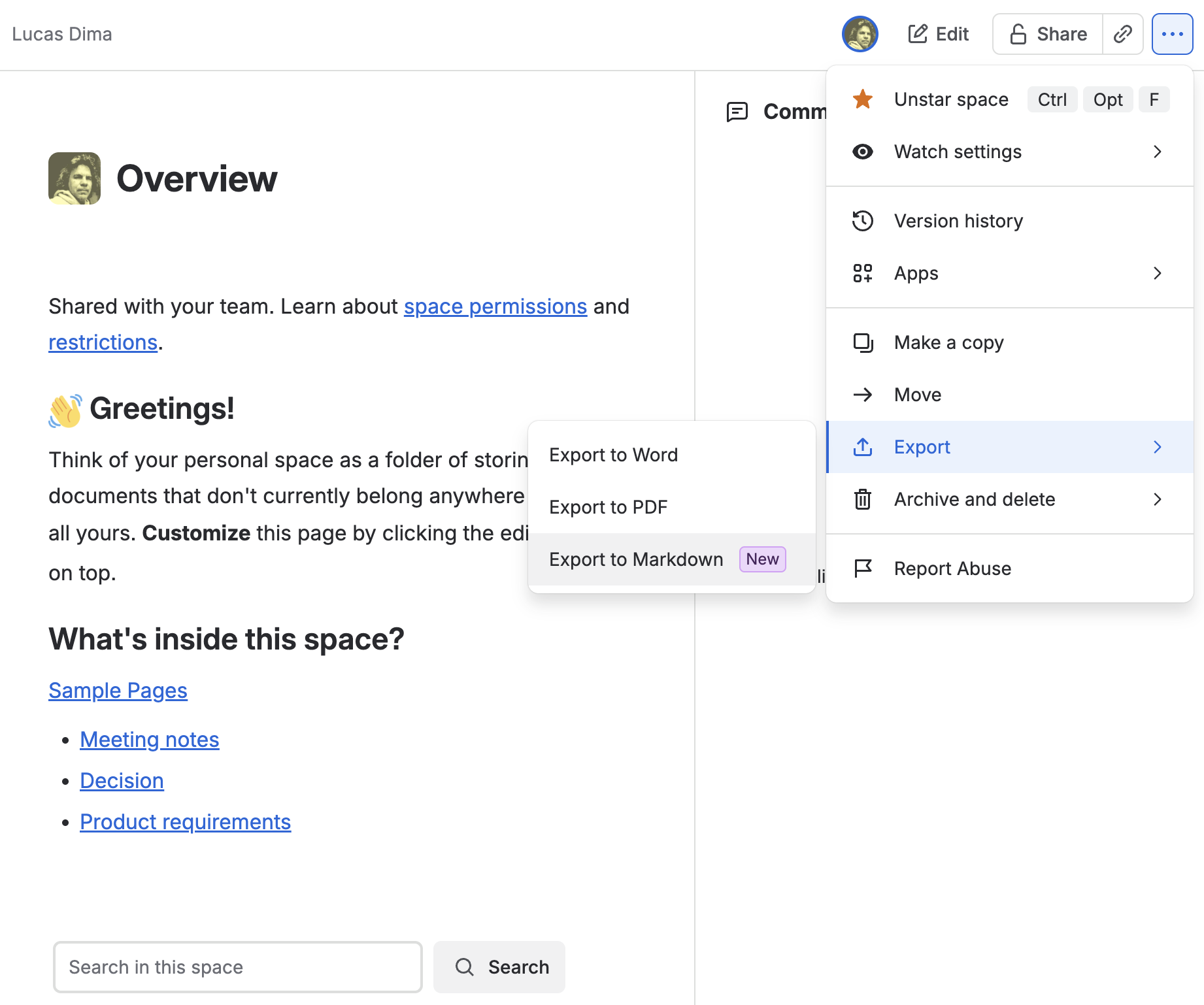
In a way, something like this started to happen naturally with Markdown (md). Suddenly, this amazing format became the standard text format for AI tools and interchangeable documents. Suddenly, vendor lock-in kings started to feel it: Atlassian Confluence added a new md export for their Confluence pages (before, users had to rely on 3rd party exporters), and Google added md export to Google Docs.
I started this experiment of having an open file format with my new software, Xul Valley, an infinite-canvas board app for macOS. I don’t think I’m ready to open-source it, but I think making the file format open with an MIT license and schema version control is a good thing for users.
I’m curious to see what people might do with it. Maybe someone will build a tool to generate files, convert them to another format, or use them in a way I haven’t thought of. An open format gives people a chance to solve problems themselves.
I have no plans to stop working on Xul Valley. But if something unfortunate happens to me, and my children can’t find a way to continue the project or open-source it, I still want users to have full control over their creations. Making the file format open is something I can do now to help make that possible.